Buy social-network.eu ?
We are moving the project
social-network.eu .
Are you interested in purchasing the domain
social-network.eu ?
domain@kv-gmbh.de · 0541-91531010
Buy social-network.eu ?
Are algae prokaryotes?
No, algae are not prokaryotes. Algae are a diverse group of photosynthetic organisms that can be found in various environments, including freshwater and marine habitats. They are eukaryotic organisms, meaning they have a true nucleus and other membrane-bound organelles within their cells. This distinguishes them from prokaryotes, which lack a true nucleus and membrane-bound organelles. **
Are amoebas prokaryotes?
No, amoebas are not prokaryotes. Amoebas are eukaryotic organisms, meaning they have a true nucleus and other membrane-bound organelles within their cells. Prokaryotes, on the other hand, are organisms that lack a true nucleus and other membrane-bound organelles. Examples of prokaryotes include bacteria and archaea. **

Similar search terms for Prokaryotes
Top-Angebote
Products related to Prokaryotes:
-
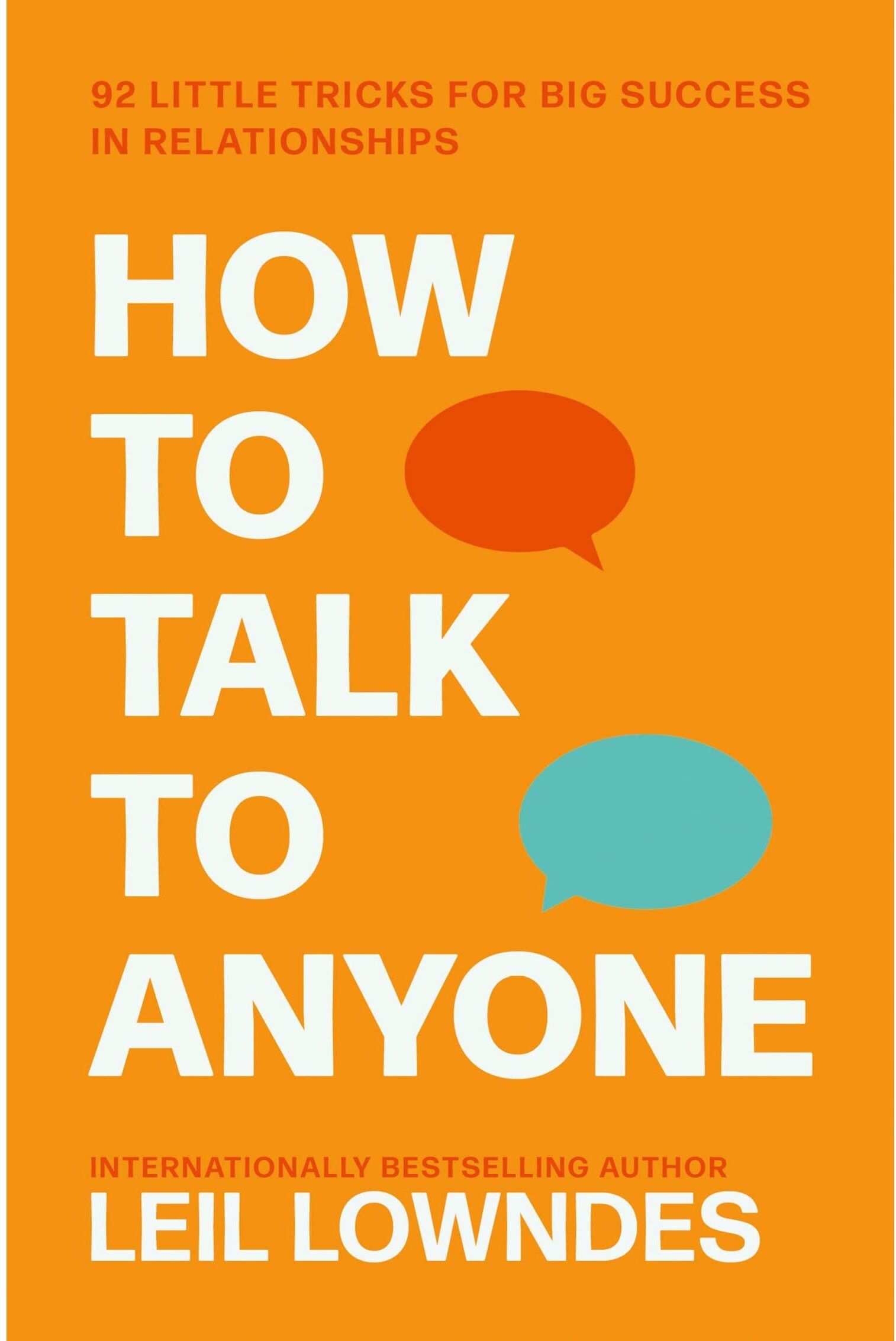
HarperElement How to Talk to Anyone by Leil Lowndes - 92 Little Tricks For Big Success In Relationships - Paperback - Self-Help & Communication Skills BookMaster the art of conversation with this bestselling communication guide. Written by internationally renowned communications expert Leil Lowndes, 'How to Talk to Anyone' distils decades of research, coaching, and real-world experience into 92 practical, easy-to-use tips for mastering conversation, body language, and first impressions. Whether you're networking at a conference, going on a first date, interviewing for a new job, or simply chatting at a party, this book helps you become a more confident, likeable, and persuasive communicator in every social and professional situation you encounter. A modern classic in the self-help and communication genre, this book has sold millions of copies worldwide since its original publication.2,99 £*Shipping: 2,99 £Secure redirect to the provider
-
Mastering Relationships by Astha Kapoor - Relationship & Self-Help Guide - New Paperback - Practical Advice for Healthier RelationshipsRelationships shape almost every part of our daily happiness, yet so many of us never learn the practical skills needed to keep them strong. Mastering Relationships by Astha Kapoor is a down-to-earth non-fiction guide that tackles communication, boundaries, and emotional connection head-on. Rather than leaning on dense psychological jargon, the author offers clear, usable advice for anyone wanting calmer conversations, deeper trust, and fewer repeated arguments. This paperback is written for real life, not theory, making it a genuinely approachable read for partners, friends, and families alike. Mastering Relationships walks readers through the everyday friction points that quietly erode connection: miscommunication, unspoken expectations, and boundaries that are either too rigid or missing altogether. Astha Kapoor breaks these challenges into manageable, relatable chapters, encouraging self-reflection.2,99 £*Shipping: 2,99 £Secure redirect to the provider
-
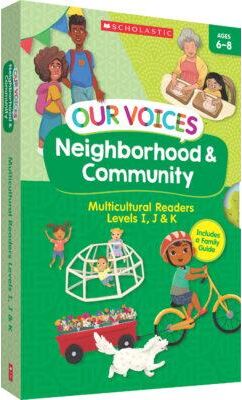
Our Voices: Neighborhood & Community Boxed SetFoster a feeling of belonging while building key reading skills with these colorful storybooks that spotlight a variety of neighborhoods and communities. The 10 charming stories feature characters from different cultural backgrounds who learn about...32,37 $*Shipping: 0,00 $Secure redirect to the provider
-
Pavilion Sharing with the Dog Silicone Snack BowlMake snack time more fun with this pet-inspired silicone snack bowl featuring a playful dog illustration and humorous sentiment. Durable, portable, and designed with a secure lid, it's perfect for enjoying snacks at home, work, school, or on the go21,79 $*Shipping: 0,00 $Secure redirect to the provider



-
When did prokaryotes originate?
Prokaryotes are believed to have originated around 3.5 billion years ago, making them some of the earliest forms of life on Earth. **
-
Are prokaryotes human cells?
No, prokaryotes are not human cells. Prokaryotes are single-celled organisms that lack a true nucleus and other membrane-bound organelles, while human cells are eukaryotic, meaning they have a true nucleus and other membrane-bound organelles. Prokaryotes include bacteria and archaea, while human cells are part of the complex multicellular organism known as Homo sapiens. **
-
Are humans prokaryotes or eukaryotes?
Humans are eukaryotes. Eukaryotes are organisms whose cells have a true nucleus containing their genetic material, while prokaryotes do not have a nucleus. Human cells, like all other animals, plants, fungi, and protists, are eukaryotic cells. **
-
What are eukaryotes and prokaryotes?
Eukaryotes are organisms whose cells have a true nucleus, which contains their genetic material. They also have other membrane-bound organelles, such as mitochondria and the endoplasmic reticulum. Examples of eukaryotes include plants, animals, fungi, and protists. Prokaryotes, on the other hand, are organisms whose cells do not have a true nucleus or other membrane-bound organelles. Their genetic material is located in the cytoplasm, and they are typically smaller and simpler in structure compared to eukaryotic cells. Examples of prokaryotes include bacteria and archaea. **


What are prokaryotes and mitochondria?
Prokaryotes are single-celled organisms that lack a nucleus and other membrane-bound organelles. They are typically smaller and simpler in structure compared to eukaryotic cells. Prokaryotes include bacteria and archaea. Mitochondria are membrane-bound organelles found in eukaryotic cells. They are often referred to as the "powerhouses" of the cell because they generate energy in the form of ATP through a process called cellular respiration. Mitochondria have their own DNA and are thought to have originated from a symbiotic relationship between an ancestral eukaryotic cell and a prokaryotic cell. **
Do prokaryotes have a cell nucleus?
No, prokaryotes do not have a cell nucleus. Prokaryotic cells lack a membrane-bound nucleus that houses their genetic material. Instead, their DNA is found in a region of the cell called the nucleoid. This is one of the key differences between prokaryotic and eukaryotic cells, as eukaryotic cells have a defined nucleus that separates their genetic material from the rest of the cell. **
Top-Angebote
Products related to Prokaryotes:
-
HARPERCOLLINS How to Talk to Anyone – 92 Little Tricks for Big Success in Relationships by Leil Lowndes Communication & Social Skills BestsellerMaster the art of confident communication. In How to Talk to Anyone: 92 Little Tricks for Big Success in Relationships, bestselling author and communication expert Leil Lowndes shares practical, easy-to-use techniques to help you connect with people in any situation. From networking events and job interviews to social gatherings and everyday conversations, this book shows you how to communicate with confidence, charisma, and impact. Packed with proven strategies on body language, first impressions, conversation starters, and listening skills, this timeless guide helps you overcome social anxiety, build rapport instantly, and leave a lasting impression. Whether you want to improve your personal relationships or advance your professional life, this book offers tools you can apply immediately. What You’ll Learn: How to start and end conversations effortlessly Secrets of confident body language and eye contact Techniques to build instant rapport and trust How to speak with authority and warmth Communication skills for work, dating, and social life A must-read for anyone looking to improve their social skills, networking ability, and personal confidence, How to Talk to Anyone is a classic self-help bestseller with lasting value.4,89 £*Shipping: 1,99 £Secure redirect to the provider
-
The Readers Paradise Connect To Grow: How To Network With Confidence, Purpose And Authenticity by Shweta Chawla - Non Fiction Paperback - Career & Networking Skills GuideNetworking often feels transactional and faintly exhausting, but this practical paperback guide reframes it entirely. Shweta Chawla shows readers how to approach every professional interaction with genuine confidence, clear purpose, and real authenticity, rather than chasing quick wins at crowded events. The book offers a repeatable, human-centered framework for building lasting relationships focused on mutual value instead of collecting contacts. Whether starting a career or scaling a business, readers gain mental shifts and practical tools that make reaching out feel natural. Connect To Grow is built around a simple idea: strong professional networks are grown, not harvested. Rather than offering rigid scripts or outdated sales formulas, the book focuses on realistic, people-first connection, with an emphasis on preparation that never feels rehearsed.2,99 £*Shipping: 2,99 £Secure redirect to the provider
-
HarperElement How to Talk to Anyone by Leil Lowndes - 92 Little Tricks For Big Success In Relationships - Paperback - Self-Help & Communication Skills BookMaster the art of conversation with this bestselling communication guide. Written by internationally renowned communications expert Leil Lowndes, 'How to Talk to Anyone' distils decades of research, coaching, and real-world experience into 92 practical, easy-to-use tips for mastering conversation, body language, and first impressions. Whether you're networking at a conference, going on a first date, interviewing for a new job, or simply chatting at a party, this book helps you become a more confident, likeable, and persuasive communicator in every social and professional situation you encounter. A modern classic in the self-help and communication genre, this book has sold millions of copies worldwide since its original publication.2,99 £*Shipping: 2,99 £Secure redirect to the provider
-
Mastering Relationships by Astha Kapoor - Relationship & Self-Help Guide - New Paperback - Practical Advice for Healthier RelationshipsRelationships shape almost every part of our daily happiness, yet so many of us never learn the practical skills needed to keep them strong. Mastering Relationships by Astha Kapoor is a down-to-earth non-fiction guide that tackles communication, boundaries, and emotional connection head-on. Rather than leaning on dense psychological jargon, the author offers clear, usable advice for anyone wanting calmer conversations, deeper trust, and fewer repeated arguments. This paperback is written for real life, not theory, making it a genuinely approachable read for partners, friends, and families alike. Mastering Relationships walks readers through the everyday friction points that quietly erode connection: miscommunication, unspoken expectations, and boundaries that are either too rigid or missing altogether. Astha Kapoor breaks these challenges into manageable, relatable chapters, encouraging self-reflection.2,99 £*Shipping: 2,99 £Secure redirect to the provider
-
Are algae prokaryotes?
No, algae are not prokaryotes. Algae are a diverse group of photosynthetic organisms that can be found in various environments, including freshwater and marine habitats. They are eukaryotic organisms, meaning they have a true nucleus and other membrane-bound organelles within their cells. This distinguishes them from prokaryotes, which lack a true nucleus and membrane-bound organelles. **
-
Are amoebas prokaryotes?
No, amoebas are not prokaryotes. Amoebas are eukaryotic organisms, meaning they have a true nucleus and other membrane-bound organelles within their cells. Prokaryotes, on the other hand, are organisms that lack a true nucleus and other membrane-bound organelles. Examples of prokaryotes include bacteria and archaea. **
-
When did prokaryotes originate?
Prokaryotes are believed to have originated around 3.5 billion years ago, making them some of the earliest forms of life on Earth. **
-
Are prokaryotes human cells?
No, prokaryotes are not human cells. Prokaryotes are single-celled organisms that lack a true nucleus and other membrane-bound organelles, while human cells are eukaryotic, meaning they have a true nucleus and other membrane-bound organelles. Prokaryotes include bacteria and archaea, while human cells are part of the complex multicellular organism known as Homo sapiens. **
Similar search terms for Prokaryotes
-
Our Voices: Neighborhood & Community Boxed SetFoster a feeling of belonging while building key reading skills with these colorful storybooks that spotlight a variety of neighborhoods and communities. The 10 charming stories feature characters from different cultural backgrounds who learn about...32,37 $*Shipping: 0,00 $Secure redirect to the provider
-
Pavilion Sharing with the Dog Silicone Snack BowlMake snack time more fun with this pet-inspired silicone snack bowl featuring a playful dog illustration and humorous sentiment. Durable, portable, and designed with a secure lid, it's perfect for enjoying snacks at home, work, school, or on the go21,79 $*Shipping: 0,00 $Secure redirect to the provider
-
Women's Platform Pump by French Connection in Gold (Size 9 1/2 M)"Platforms are back in style Peep toe style with chunky platform for added comfort and stability.MANMADE UpperMANMADE LiningRUBBER Outsole3.75"" Heel heightPump available in sizes 6-9.5, 10 & 11 Women's Platform Pump by French Connection in Gold..."56,99 $*Shipping: 0,00 $Secure redirect to the provider
-
Enesco/Dept 56 Sharing the Load Clothtique Red , RedSanta doesn't seem to mind Sharing the Load with a little helper. Dressed in a red and white suit, Santa carries a green bag with gold leafy scroll designs and a list over his shoulder and holds a present in the other hand. The bag has presents,...99,00 $*Shipping: 18,95 $Secure redirect to the provider
-
Are humans prokaryotes or eukaryotes?
Humans are eukaryotes. Eukaryotes are organisms whose cells have a true nucleus containing their genetic material, while prokaryotes do not have a nucleus. Human cells, like all other animals, plants, fungi, and protists, are eukaryotic cells. **
-
What are eukaryotes and prokaryotes?
Eukaryotes are organisms whose cells have a true nucleus, which contains their genetic material. They also have other membrane-bound organelles, such as mitochondria and the endoplasmic reticulum. Examples of eukaryotes include plants, animals, fungi, and protists. Prokaryotes, on the other hand, are organisms whose cells do not have a true nucleus or other membrane-bound organelles. Their genetic material is located in the cytoplasm, and they are typically smaller and simpler in structure compared to eukaryotic cells. Examples of prokaryotes include bacteria and archaea. **
-
What are prokaryotes and mitochondria?
Prokaryotes are single-celled organisms that lack a nucleus and other membrane-bound organelles. They are typically smaller and simpler in structure compared to eukaryotic cells. Prokaryotes include bacteria and archaea. Mitochondria are membrane-bound organelles found in eukaryotic cells. They are often referred to as the "powerhouses" of the cell because they generate energy in the form of ATP through a process called cellular respiration. Mitochondria have their own DNA and are thought to have originated from a symbiotic relationship between an ancestral eukaryotic cell and a prokaryotic cell. **
-
Do prokaryotes have a cell nucleus?
No, prokaryotes do not have a cell nucleus. Prokaryotic cells lack a membrane-bound nucleus that houses their genetic material. Instead, their DNA is found in a region of the cell called the nucleoid. This is one of the key differences between prokaryotic and eukaryotic cells, as eukaryotic cells have a defined nucleus that separates their genetic material from the rest of the cell. **
* All prices are inclusive of VAT and, if applicable, plus shipping costs. The offer information is based on the details provided by the respective shop and is updated through automated processes. Real-time updates do not occur, so deviations can occur in individual cases. ** Note: Parts of this content were created by AI.